

The Dream of Sapiens. Sleep Made Us Human
The Dream of Sapiens. Sleep Made Us HumanCouldn't load pickup availability
Delivery of the book "The Dream of Sapiens. Sleep Made Us Human" :1–3 days within Spain,2–6 days across Europe.
Buy the book "The Dream of Sapiens. Sleep Made Us Human" in Ukrainian in Spain and Portugal.
- Books by BOOKLYA are available at www.booklya.shop.

Download our mobile app
Get the best shopping experience with our mobile app
- description
- FAQ
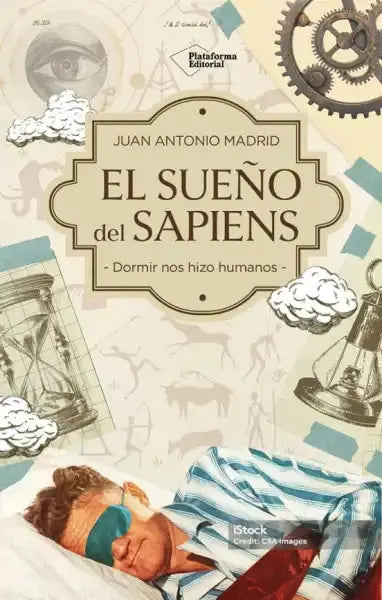
El sueño del sapiens. Cómo dormir y soñar nos hizo humanos is an accessible non-fiction book that explores one simple but powerful idea: without sleep and dreams, Homo sapiens would not be who we are today. Written by Spanish chronobiologist Juan Antonio Madrid, the book combines science, history and everyday life to explain how our nights shape our days.
Madrid shows how, from early humans to the digital age, sleep has influenced our brain, emotions, immune system and ability to learn. He explains what happens in each phase of sleep, why we dream and how internal biological clocks organise our 24-hour rhythms. Step by step, the reader understands that sleep is not “lost time”, but a crucial process for memory, creativity and emotional balance.
At the same time, the author looks critically at the modern world, where artificial light, shift work, jet lag, screens and social networks constantly push us to sleep less. He analyses how chronic sleep deprivation is linked to anxiety, depression, obesity, diabetes and cardiovascular disease, and why “sleeping well” has become almost an act of resistance in the 21st century.
The tone is clear and friendly: no need for medical training to follow the explanations. Madrid uses examples from daily routines, travel, school schedules or working nights to show readers how to better respect their internal clock and protect their sleep. The book also offers practical reflections on habits that improve rest: regular schedules, light exposure, evening routines and the importance of disconnecting.
This edition in Spanish (368 pages, paperback) is ideal for readers interested in popular science, psychology, health, neuroscience and personal development. Whether you suffer from insomnia, work late shifts or are simply curious about how sleep made us human, El sueño del sapiens gives you a rigorous yet human perspective on one of the most undervalued aspects of our lives.